Ranch & Recreational Land
Financing for working ranches, timberland, and recreational land held in entities — where hunting leases, grazing, timber, and crop income make the land a business, and the loan a business loan.
Depending on your state and deal structure, this may be placed through a licensed affiliate in that state.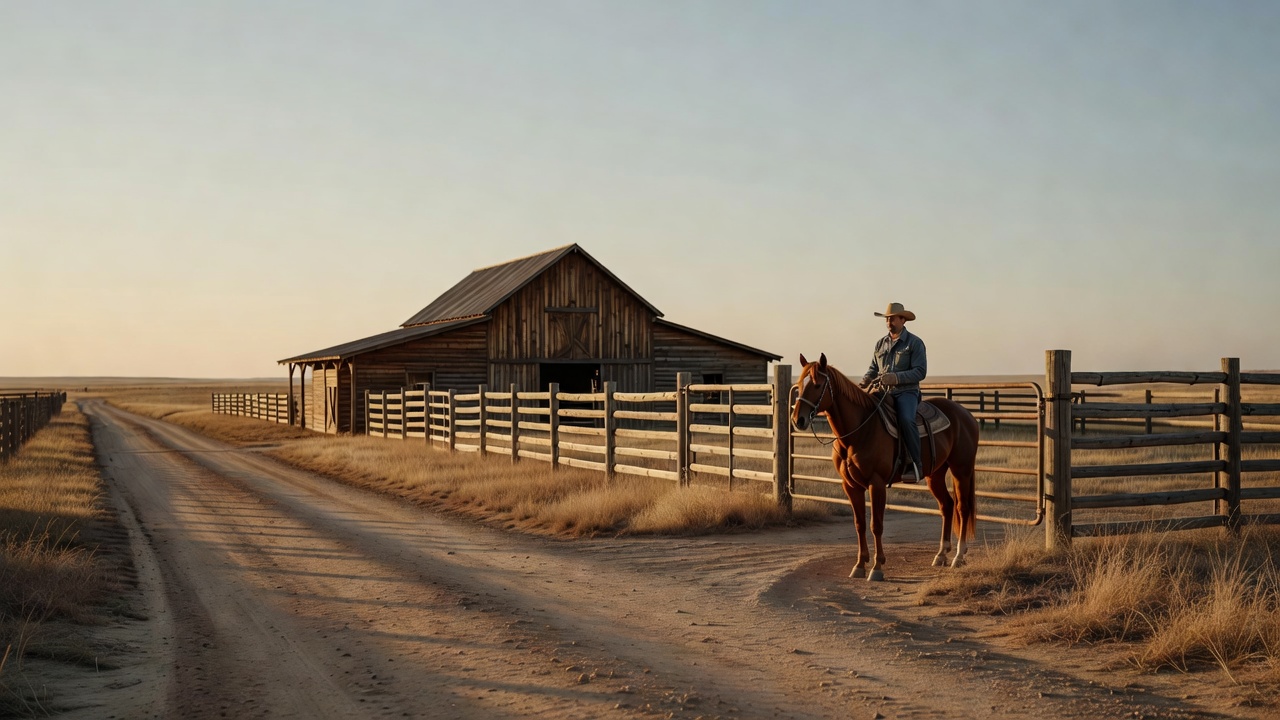
Who it’s for
- Buyers at auction or on a 1031 clock who need a credit decision in days.
- Owners expanding a working ranch — grazing, timber, hunting-lease, or crop income in place.
- Families moving land into partnerships and trusts and financing it properly at the same time.
Why Lucaria
- We know the whole capital map — farm-credit co-ops, life-company lenders, private credit — and which actually fits your acreage and timeline.
- Long money exists here: terms to 30 years, and 10-year interest-only lines against the land.
- Told straight: if it’s a pure hobby tract with no income, this isn’t the lane — and we’ll say so before you spend a dime.
Honest numbers
Land credit has real bands once the income is documented:
- Leverage
- up to 70–75% LTV
- Terms
- up to 30 years; 10-year interest-only lines of credit exist
- Bridge decisions
- 48 hours to 2 weeks for auctions and 1031 timelines
- Deal size
- $1M – $50M
Bands, not a quote. Income character matters: leases, grazing, timber, and conservation payments all underwrite differently, and the right lender depends on which ones your land has.
Structured around what the land earns
We are experienced in structuring credit for the entities our clients actually use — LLCs, trusts, partnerships, and holding companies — and land credit starts with documenting what the acreage actually produces.
- Hunting leases, grazing contracts, timber value, and conservation payments documented as the income they are
- Life-company and farm-credit placements for long, low fixed money; private credit when speed rules
- Vesting in family partnerships, LLCs, and trusts as the standard case
- Depending on your state and deal structure, RE-secured transactions are handled through our licensed affiliate
Why banks say no — and why that isn’t the end
- Commercial banks have no box for a working ranch — it’s not a house and it’s not a strip center.
- Farm-credit co-ops are cheap but slow, and auction timelines beat them every time.
- Life-company lenders write serious money on land — but many won’t look at smaller timber deals, and few borrowers know they exist at all.
Ranch & Recreational Land, answered straight.
- Does the land need to produce income?
- For this lane, essentially yes — hunting leases, grazing contracts, timber, crop income, or conservation payments are what make the land a financeable business. A pure hobby tract with no income is a different conversation, and we will tell you that honestly rather than force a bad fit.
- I’m buying at auction — how fast can a decision come?
- Bridge decisions run 48 hours to 2 weeks, which is what auction terms and 1031 exchange deadlines actually require. Long-term money follows once the land is yours.
- Can a family partnership or trust be the borrower?
- Yes — ranch land is routinely vested in family partnerships, LLCs, and trusts, and that is the standard borrowing structure, not an exception.
- How long can the terms run?
- Up to 30 years on term debt, and 10-year interest-only lines of credit against the land exist. Land is long-duration wealth; the debt can match it.
- Who actually lends on ranches?
- Three worlds: farm-credit co-ops (cheap, slow, patronage dividends), life-company lenders (long fixed money, big minimums in some sectors), and private credit (fast, flexible, pricier). Most owners only ever see one of the three — we run all of them.
- Why is this a business loan?
- The land is held in an entity and produces income — leases, grazing, timber, crops, conservation payments. That makes the credit business-purpose by nature — never financing for personal, family, or household use.
Tell us what you need.
No credit pull to start. We’ll show you the honest options for ranch & recreational land — and if borrowing isn’t the answer, we’ll say so.